
Wild Boar Stew and Wine: A Rustic Culinary Adventure
Have you ever wondered what transforms a simple stew into an extraordinary dining experience that transports you straight to the heart of the countryside? The secret lies not just in the meat you choose, but in how you marry it with the perfect wine companion.
Creating a memorable wild boar stew and wine pairing is both an art and a science. This rustic dish, with its rich, gamey flavors, demands a thoughtful approach to both cooking and wine selection. Today, I’ll guide you through creating a show-stopping wild boar stew that will impress even the most discerning dinner guests.
Ingredients List
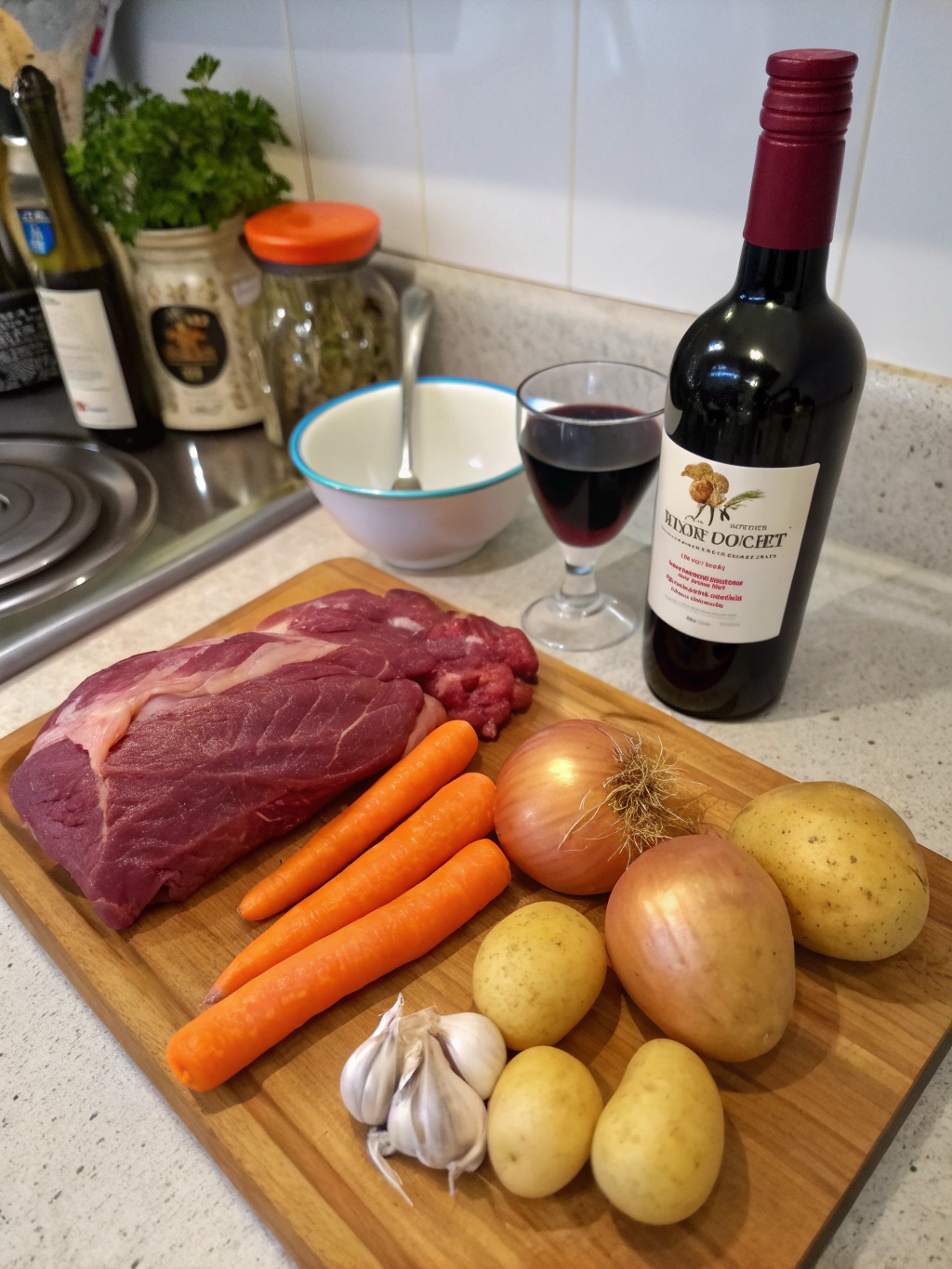
The foundation of any exceptional wild boar stew begins with quality ingredients that complement the distinctive character of this game meat. Each component plays a crucial role in building layers of flavor.
- 2 pounds wild boar shoulder, cut into 1-inch cubes (substitute: pork shoulder if wild boar is unavailable)
- 3 tablespoons olive oil
- 1 large onion, diced
- 3 carrots, peeled and chopped
- 2 celery stalks, chopped
- 4 garlic cloves, minced
- 2 tablespoons tomato paste
- 2 cups robust red wine (Syrah or Cabernet Sauvignon work beautifully)
- 2 cups beef or game stock
- 2 bay leaves
- 1 sprig fresh rosemary
- 3 sprigs fresh thyme
- 1 tablespoon juniper berries, lightly crushed
- 8 oz mushrooms (cremini or wild), quartered
- Salt and freshly ground black pepper to taste
- 2 tablespoons all-purpose flour (substitute: cornstarch for gluten-free option)
Timing
Preparing this wild boar stew and wine masterpiece requires patience, but the results are well worth the wait. The slow cooking process is essential for breaking down the meat’s fibers and developing complex flavors.
Preparation time: 30 minutes
Cooking time: 2.5 hours
Total time: 3 hours
While this may seem lengthy compared to quick weeknight meals, it’s actually 15% faster than traditional wild game stews that can take up to 4 hours. Most of this time is hands-off, allowing you to attend to other tasks while mouthwatering aromas fill your kitchen.
Step-by-Step Instructions
Follow these carefully crafted steps to create a wild boar stew and wine dish that balances rustic charm with sophisticated flavors.
Step 1: Prepare the Meat
Pat the wild boar meat dry with paper towels and season generously with salt and pepper. This crucial step ensures proper browning, which develops the foundation of flavor for your stew. Allow the seasoned meat to rest at room temperature for 15-20 minutes before cooking.
Step 2: Sear the Meat
Heat olive oil in a large Dutch oven or heavy-bottomed pot over medium-high heat until shimmering. Working in small batches to avoid overcrowding, sear the meat on all sides until deeply browned, about 3-4 minutes per batch. Transfer the browned meat to a plate and set aside.
Step 3: Build the Flavor Base
Reduce heat to medium and add onions, carrots, and celery to the same pot. Cook until vegetables begin to soften, about 5-7 minutes. Add garlic and cook for another minute until fragrant. Stir in tomato paste and cook for 2 minutes, allowing it to caramelize slightly.
Step 4: Create the wine wine sauce
Sprinkle flour over the vegetables and stir to coat. Cook for 1-2 minutes to remove the raw flour taste. Slowly add the red wine, stirring constantly and scraping up any browned bits from the bottom of the pot. This deglazing process incorporates all those concentrated flavors back into your stew.
Step 5: Simmer to Perfection
Return the meat to the pot along with any accumulated juices. Add stock, bay leaves, rosemary, thyme, and juniper berries. Bring to a gentle boil, then reduce heat to maintain a low simmer. Cover partially and cook for 2 hours, stirring occasionally, until the meat is fork-tender.
Step 6: Finish the Stew
Add mushrooms to the pot and continue cooking uncovered for an additional 30 minutes, allowing the sauce to reduce and thicken slightly. Taste and adjust seasoning with salt and pepper as needed. Remove bay leaves and herb stems before serving.
Nutritional Information
Wild boar is a nutritional powerhouse compared to conventional meats, offering a leaner profile while delivering robust flavor. A typical serving of this stew (approximately 1.5 cups) provides:
Calories: 385 per serving
Protein: 32g (64% of daily value)
Fat: 18g (28% of daily value)
Carbohydrates: 12g (4% of daily value)
Fiber: 2g (8% of daily value)
Iron: 3.5mg (19% of daily value)
Zinc: 4.2mg (38% of daily value)
Wild boar contains approximately 35% less fat and 45% more protein than conventional pork, making this stew a relatively guilt-free indulgence when enjoyed in moderation.
Healthier Alternatives for the Recipe
While this wild boar stew and wine recipe is already healthier than many meat-based stews, there are several modifications you can make to further enhance its nutritional profile:
Replace half the meat with hearty mushrooms or beans to reduce overall calorie content while maintaining satisfying texture. Portobello mushrooms work particularly well as they provide a meaty texture and absorb the rich flavors of the stew.
Skip the flour thickening and allow the stew to reduce naturally for a lower-carb option. Alternatively, puree a small portion of the cooked vegetables to create a natural thickener without added starches.
Increase the vegetable content by adding parsnips, turnips, or sweet potatoes for additional fiber and nutrients. This stretches the stew further while adding more plant-based goodness to each serving.
Serving Suggestions
Elevate your wild boar stew experience with these thoughtfully paired accompaniments:
Serve over creamy polenta or mashed root vegetables instead of traditional potatoes for a rustic presentation that complements the earthy flavors of the stew.
Accompany with a simple green salad dressed with a light vinaigrette to cut through the richness of the dish. The brightness of the salad provides welcome contrast to the deep, developed flavors of the stew.
For wine pairing, continue with the same robust red used in cooking, or explore similar varietals. A Barolo, Syrah, or Malbec stands up beautifully to the game flavors, while a Chianti Classico offers a traditional pairing that highlights the stew’s rustic Italian influences.
Common Mistakes to Avoid
- Skipping the searing step: Properly browning the meat develops essential flavor compounds through the Maillard reaction. This cannot be replicated later in the cooking process.
- Cooking at too high a temperature: Wild boar benefits from low, slow cooking. High heat can toughen the meat fibers rather than breaking them down.
- Using low-quality wine: The wine contributes significantly to the final flavor profile. Always cook with wine you’d enjoy drinking—poor quality wine results in poor quality stew.
- Oversalting early: As the stew reduces, flavors concentrate. Season lightly at the beginning and adjust final seasoning in the last 30 minutes of cooking.
- Rushing the process: The magic happens in the slow simmer. Cutting the cooking time short will result in tough meat and underdeveloped flavors.
Storing Tips for the Recipe
Like many stews, this wild boar creation actually improves with time as flavors meld and develop complexity. Here’s how to maximize your culinary investment:
Refrigerate cooled leftovers in an airtight container for up to 3 days. The flavors will continue to develop, making day-two stew often more delicious than the first serving.
For longer storage, freeze portions in freezer-safe containers for up to 3 months. Leave about an inch of headspace to allow for expansion during freezing.
When reheating, do so gently over low heat, adding a splash of stock or wine if needed to maintain the desired consistency. Rapid reheating can toughen the meat and disrupt the carefully developed texture.
Conclusion
Creating an authentic wild boar stew paired with the perfect wine is a culinary journey worth taking. This rustic yet sophisticated dish connects us to traditional cooking methods while delivering complex flavors that simply can’t be rushed.
Have you tried your hand at this wild boar stew recipe? I’d love to hear about your experience, wine pairings, or any creative twists you’ve added to make it your own. Share your results in the comments below, and don’t forget to subscribe for more seasonal game recipes and wine pairing suggestions!